
拉萨Day 2, 搭子问我今天去哪, 我说去吉本岗, 其实我也有点模糊,以为大概是一个私人开的艺术展览馆。 而参观了近三个小时后,我发现这里依然是一个很难被定义的空间。
吉本岗位于老城的心脏,大昭寺和小昭寺之间, 我问了两个人才找到它隐秘的入口, 真是大隐隐于市啊,甚至在参观的过程中还能听见帘子外街头小贩的吆喝声和小商铺播放的舞曲音乐。(图6)
这是一个有着神奇命运的建筑。
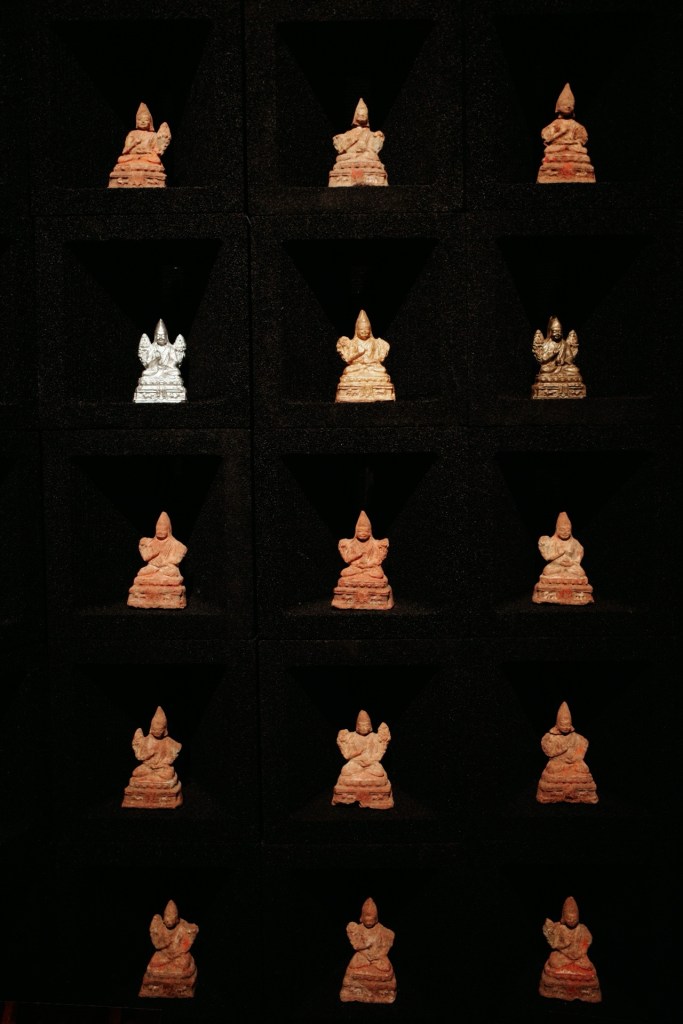
18世纪,文献记载这里是格鲁派寺院,耸立着一座装藏着10万宗喀巴大师塑像擦擦(图5)的五层白塔。 这也是吉本岗名字的缘起: 吉是对宗喀巴大师的尊称,本在藏语中意为十万。 在后来的岁月变迁中白塔垮塌了。
19世纪的故事令人唏嘘。动荡年代,英军对西藏虎视眈眈,当地政府建造了这座立体坛城建筑,试图靠神力抵御炮火, 而结局自然是令人悲伤的。
20世纪,吉本岗的使命从宗教变成世俗, 水电站建在了周围; 后来它又变成了储存青稞的粮仓。
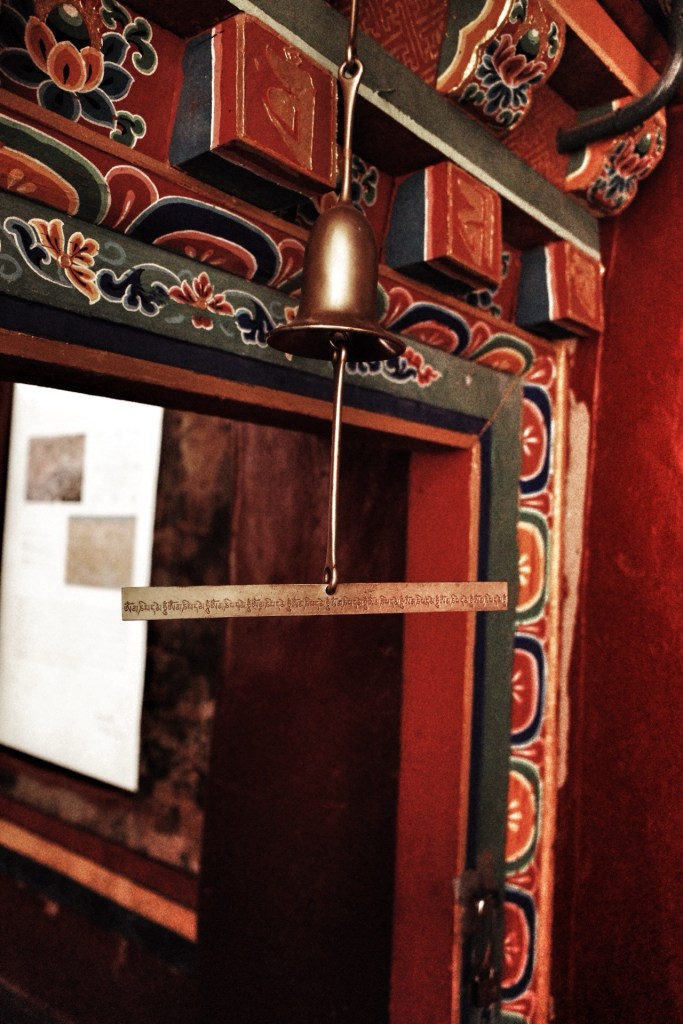
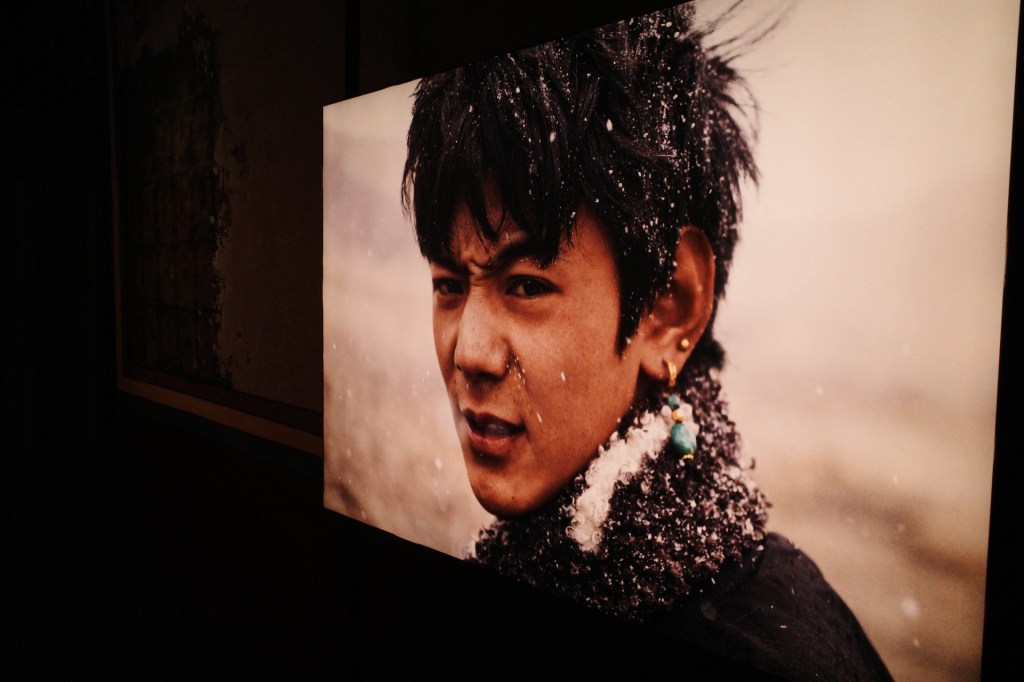
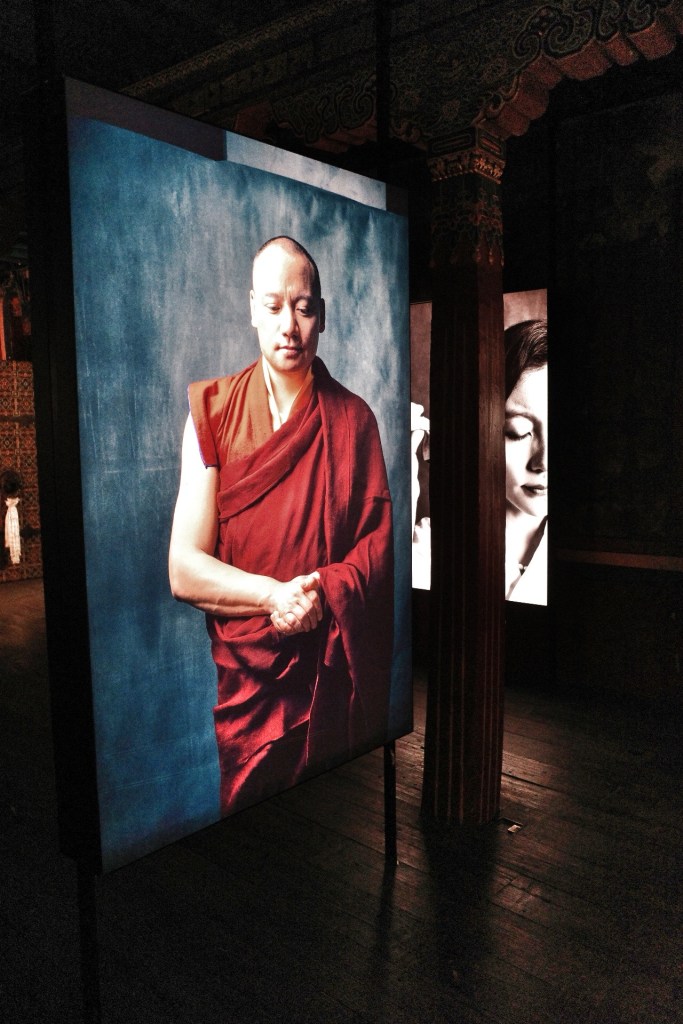
如今,在专家团队的修缮和重构下它成为了一座连接古老与现代的桥。沿着坛城的走廊, 参观者可以一边观赏墙上的壁画一边通过介绍了解这栋建筑的前世今生。 从南门开始顺时针绕一圈回到起点。东南西北四个门分别绘有四大天王,四季女神,莲花生大师。进入到中心区域, 这里不定期举办各种当代艺术展,现在正在举办的是一个主题为当代西藏人的摄影展。
整场体验非常沉浸, 参观者寥寥,坛城内部幽深寂静, 顶部的射灯亮度恰如其分。文字介绍水准很高,简洁凝练,既有哲学的思辨,又充满诗意。 除了和吉本岗有关的内容,还有一些关于西藏文化的介绍,其中最打动我的是在西藏传统曲艺的部分,当我带上耳机,听到米拉日巴道歌的一刹那,眼眶就湿润了。
将这样一个已经被遗忘的破败空间焕发新生, 凝聚了负责修缮的文旅团队大量的心血。包括像是消防,电力,地面防水等硬件工作,以及整理资料, 展厅内容定位以及设计等软件内容。
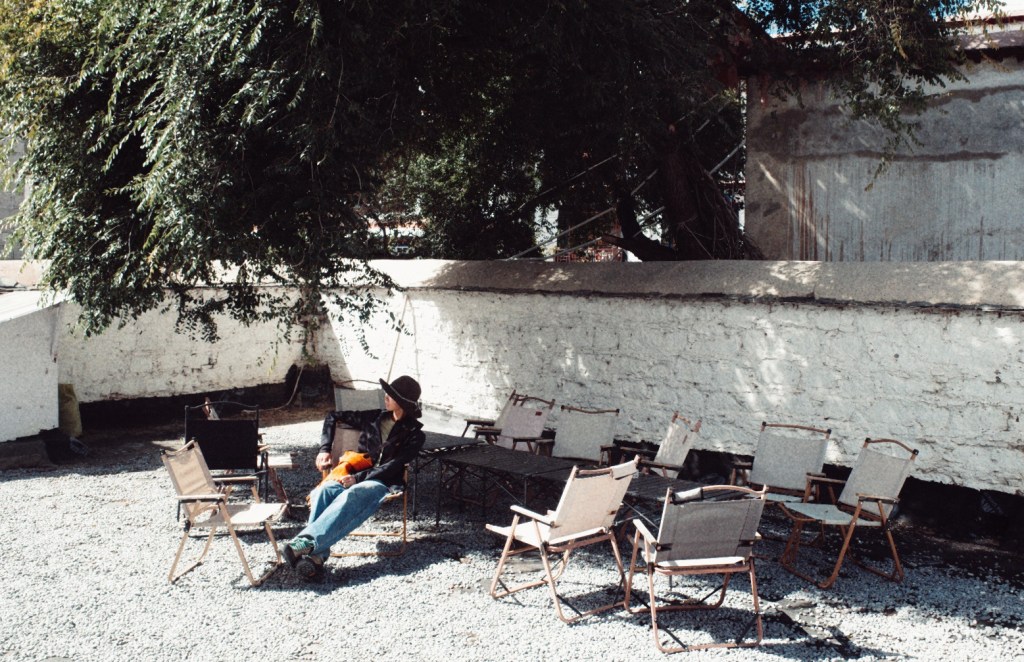
由于原本的三层建筑只剩了一层, 房顶区域就被打造成了供人休憩的露台,晒着太阳喝着咖啡,很惬意。
唯一影响体验的是详细的介绍都要通过公众号发送数字来听语音,有点麻烦。 如果能做成小册子更好。
Day 2 in Lhasa, my friends asked where we were going today, I said to Jebum- Gang Art center, in fact, I was a little vague, I thought it was probably a private art exhibition hall. After almost three hours of visiting, I found that this was still a difficult space to define.
Jebum- Gang sits in the heart of the old city, between Dazhao Temple and Xiaozhao Temple. I asked two people to find its hidden entrance, which is so hidden in the city that even during the visit I could hear the shouts of street vendors outside the curtain and the dance music played by small shops.
This is a building with a magical fate.
In the 18th century, literature records here is the Gelugpa monastery, stands a hidden 100 thousand Tsongkhapa statue of the five-storey white pagoda. This is also the origin of the name Ji Ben Gang: Ji is the honorary name of Master Tsongkhapa, and Ben means 100,000 in Tibetan. In later years, the White Tower collapsed.
The story of the 19th century is a shame. During the turbulent years, when British troops were looking out for Tibet, the local government built this three-dimensional Mandala building to try to fend off artillery fire through spiritual power, and the end was, of course, sad.
In the 20th century, the mission of the building changed from religious to secular, and hydropower stations were built around it; Later, it was turned into a grain warehouse for the storage of highland barley.
Today, under the renovation and reconstruction of a team of experts, it has become a bridge between the ancient and the modern. Along the corridor of Mandala building, visitors can see the murals on the walls while learning about the building’s past and present through an introduction.
Start by the southern door and follow the clock back to your starting point. The four southeast and northwestern doors are painted with the four great Heavenly Kings of Buddhism, the goddess of the four seasons, and the master of lotus root. Entering the central area, which regularly hosts exhibitions of contemporary art, there is currently a photography exhibition dedicated to contemporary Tibetans.
The entire experience was very immersive. There were very few visitors, the interior of the Temple was deep and silent, and the rays at the top were just as bright. The standard of written introduction is high, concise, and it is both philosophical and poetic. In addition to the content related to the Art Center, there were a few presentations on Tibetan culture. One of the things that struck me most was the part of Tibetan traditional music. When I put on my headphones and heard the Milarepa‘s song, my eyes went wet.
The revitalization of such a forgotten and dilapidated space has involved a great deal of hard work by the cultural and tourism team responsible for the renovation. This includes hardware work such as firefighting, electricity, and ground waterproofing, as well as software content such as data curation, exhibition content positioning, and design.
Since only one floor of the original three-story building remains, the roof area has been turned into a relaxing terrace for people to enjoy in the sun and drink coffee.
The only thing that affects the experience is that the detailed introduction has to be sent through the Official Account message template to listen to the voice, which is a bit troublesome. It would be better if we could make brochures.





 每天都是一种练习
Leave a comment